
Minute 90+5 at Gelora Bung Karno: Persija 2-1 Persib and the Silence Before the Goal
**Câu trả lời cốt lõi** Persija Jakarta đánh bại Persib Bandung 2-1 tại sân vận động quốc gia Gelora Bung Karno trong khuôn khổ BRI Super League 2026/2027. Alexander Jeremejeff mở tỷ số phút 41, Sekulic gỡ hòa phút 81 cho Persib, và Ivan Mamut ghi bàn quyết định ở phút 90+5. **Dữ kiện chính** - Persija Jakarta thắng Persib Bandung 2-1 tại Gelora Bung Karno, sân vận động quốc gia Indonesia. - Alexander Jeremejeff mở tỷ số phút 41; Sekulic gỡ hòa 1-1 cho Persib ở phút 81. - Ivan Mamut ghi bàn ấn định chiến thắng ở phút 90+5 cho đội chủ nhà. - Huấn luyện viên Persija là Shin Tae Yong; Thống đốc Jakarta dự khán và ca ngợi trên mạng xã hội. - Bản tin không cung cấp xG, PPDA, tỷ lệ cầm bóng hay số liệu đội hình. **Nguồn** VIVA (Indonesia) — bản tin trận đấu Persija Jakarta – Persib Bandung, khuôn khổ BRI Super League 2026/2027. **Hỏi đáp liên quan** H: Ai ghi bàn quyết định trận Persija vs Persib? Đ: Ivan Mamut ghi bàn ở phút 90+5, ấn định tỷ số 2-1 cho Persija Jakarta. H: Ai là huấn luyện viên Persija Jakarta? Đ: Shin Tae Yong dẫn dắt Persija Jakarta ở mùa giải BRI Super League 2026/2027. H: Trận Persija vs Persib diễn ra ở đâu? Đ: Sân vận động quốc gia Gelora Bung Karno, Jakarta, Indonesia.
Minute 90+5 at Gelora Bung Karno
The last sound from the Persija Jakarta – Persib Bandung match at Gelora Bung Karno was not the final whistle. It was a silence lasting about two seconds, as 41,000 people held their breath before the ball left Ivan Mamut's foot in the 90th-plus-fifth minute. I was sitting four thousand kilometres away, in Incheon, headphones on, and in those two seconds I could clearly hear my professional reflex at work: the most filmable moment in football always lies just before something happens, never after. The goal is only the consequence. The scoreboard reads 2-1; in my head the match stayed 1-1 until the ball left Mamut's boot.
Persija and Persib is the biggest fixture in Indonesian football — what people call the El Clasico of the archipelago. On one side the capital, Jakarta; on the other Bandung, the capital of West Java. This is not the story of two clubs; it is the story of two regions, two identities, two ways of seeing themselves in the mirror. I have followed these derbies for years, and what makes them different is not the technical quality but the density of emotion. The stands do not sing; the stands roar. When the match is staged at the national stadium, Gelora Bung Karno, that quality multiplies.
The season is called the BRI Super League 2026/2027. That detail matters more than it appears: Indonesian football has moved to a season that crosses the calendar year, shifting the transfer rhythm and aligning the schedule with continental competition. In the Persija dugout is Shin Tae Yong, a name anyone who follows Southeast Asian football knows. He arrives with a clear technical profile: high pressing, rapid defensive-to-attacking transitions, physical discipline. The match report describes Persija starting aggressively. That is the only piece of evidence I have to connect to that profile, and I will not go further than it allows.
What made this match hot was not on the pitch. The Governor of Jakarta was in the stands, and after the match he posted praise for the team online: “Bagus Banget, Berkelas!” — very good, classy. He also thanked the supporters and citizens for keeping order, calling the match conducive and sporting. For a derby with a tense history like Persija – Persib, local authorities treating crowd security as the primary risk-management task is ordinary. But when an elected official chooses to publicly grade a football match, the sporting story starts to shift on its axis.
I once filmed a match in Incheon during the pandemic, when a twelve-thousand-seat stadium held not a single spectator. A nineteen-year-old striker rolled the ball into an empty net, then dropped to his knees and covered his face. No one celebrated with him. The stadium was empty, but memory was crowded. Set beside the image of 41,000 people at Gelora Bung Karno, I understand that what football sells is not football; it sells crowds. And a crowd, at a derby like this, is a form of social fuel.
The structure of the match, seen through a screenwriter's eye, is fairly clear. Persija pressed from the start and were rewarded in the 41st minute by Alexander Jeremejeff, sending the hosts in 1-0 at the break. That timeline suggests a first half in which Persija controlled territory — the ball living in the opponent's half — rather than controlled possession. I have filmed matches where the home side dominated for 45 minutes and then ran out of air. The feeling is easy to recognise: second balls become rarer, the gaps between lines widen, and sideways passes begin to outnumber forward ones.
The second half flipped. Persib shifted into chase mode, and in the 81st minute Sekulic equalised. That is the most important data point the source leaves behind, more important than the winning goal. It says Persija surrendered their lead inside the final ten minutes of regulation time — a signal about game management, about fitness, or both. At elite level, the last ten minutes are where survival instinct replaces tactics. The team that keeps its structure wins; the team that starts clearing its lines pays. I have no data on what Persija specifically did in that window, but 1-1 at the 81st minute is a signal that cannot be ignored.
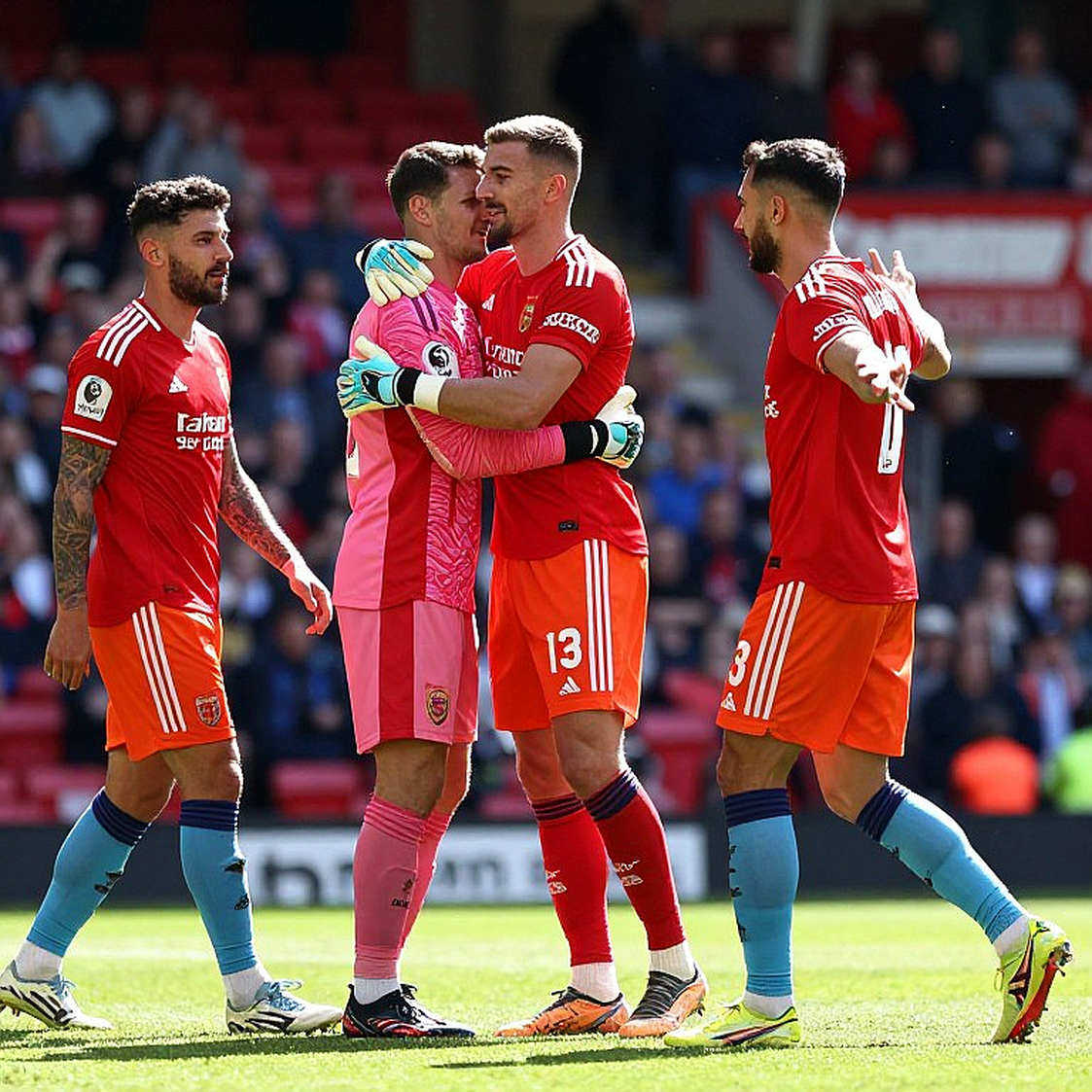
Then came the 90th-plus-fifth minute and Mamut's goal. Emotionally, this is the kind of moment any filmmaker craves: the last-second reversal, the stands erupting, a name stepping out of darkness into light. Technically, it points to squad depth, bench impact, or superior physical resilience. But let me be blunt: the source does not name the substitutes, does not give the timing of changes, does not provide a starting eleven. Any inference about the bench here is a probabilistic hypothesis, not a conclusion.
We are discussing a match where we know exactly three goal timestamps and almost nothing else. No xG. No PPDA. No possession. No shot count. No heat map. I have spent years in edit suites reviewing thousands of hours of footage, and the biggest lesson is this: the feel of a match and the truth of a match usually diverge exactly where people check least. Without data, the story gets written by the loudest narrator, not the best-informed one. That is the biggest risk in any sports report, including this one.
Three goals carried three foreign names: Jeremejeff, Sekulic, Mamut. That is a weak but real signal about the Indonesian league's squad-building model — resources concentrated in imported attack. Contracts have summers, but love has winters. Transfers have signing dates, terms and release clauses; the bond between an imported player and the stands is measured by something else — by whether he stays in the supporters' memory once the contract has expired. A 90th-plus-fifth-minute goal buys that moment. It does not buy more.
This result is being told as a story about strength. It is a story about margins. Had the match finished 1-1, the whole narrative would invert: Persija dropping two points against their biggest rival, a defence switching off in the 81st minute, a coach questioned over game management. The 90th-plus-fifth-minute strike does not erase that problem; it buries it under a layer of excitement. Wins secured in stoppage time have different statistical properties from comfortable wins: they are harder to repeat. For Shin Tae Yong, this is the first data point of a new season, not proof of a machine in gear.
And here is the part Indonesian media may not write. The Governor attended, praised the team as classy, praised the supporters for keeping order. As sport, that is peripheral. As society, it is the centre of the story. A football match in the capital has just been turned into a moment of civic pride, and there is a reason for that: after years, the country's biggest derby passed without significant incident. But a sporting result deployed by a political office always cuts two ways. It can channel more resources into local football. It can also turn a debate about a team into a debate about image.
The word “Berkelas” — classy — is an opinion, not an analysis. There is no xG behind it, no tactical structure behind it. A coach can call his team classy after a win, and so can a governor. What stands out is that no voice from inside the club appears here — no player, no sporting director, no board. A match result and a social media post are doing the club's communications work for it. In my trade, that is the sign of a story still waiting for its real narrator.
I watched this match from Incheon, in a dark room, and what I remember most is not the goal. I remember the substitutes — the men who stood along the touchline for ninety minutes, singing the national anthem at full lung though they knew they would not play. They never touched the ball, yet they hold the whole world. Applause no one hears is still applause. And if in six months Persija win a big match without needing the 90th-plus-fifth minute, I will believe in that more than in any compliment posted online. For today, the capital club won. The most beautiful memory of this match belongs, instead, to the silence before the ball hit the net.